
AWARENESS OF PARENTAL ALIENATION
Dawn S. • June 22, 2021
Parental Alienation does happen, sadly, to adults and children...
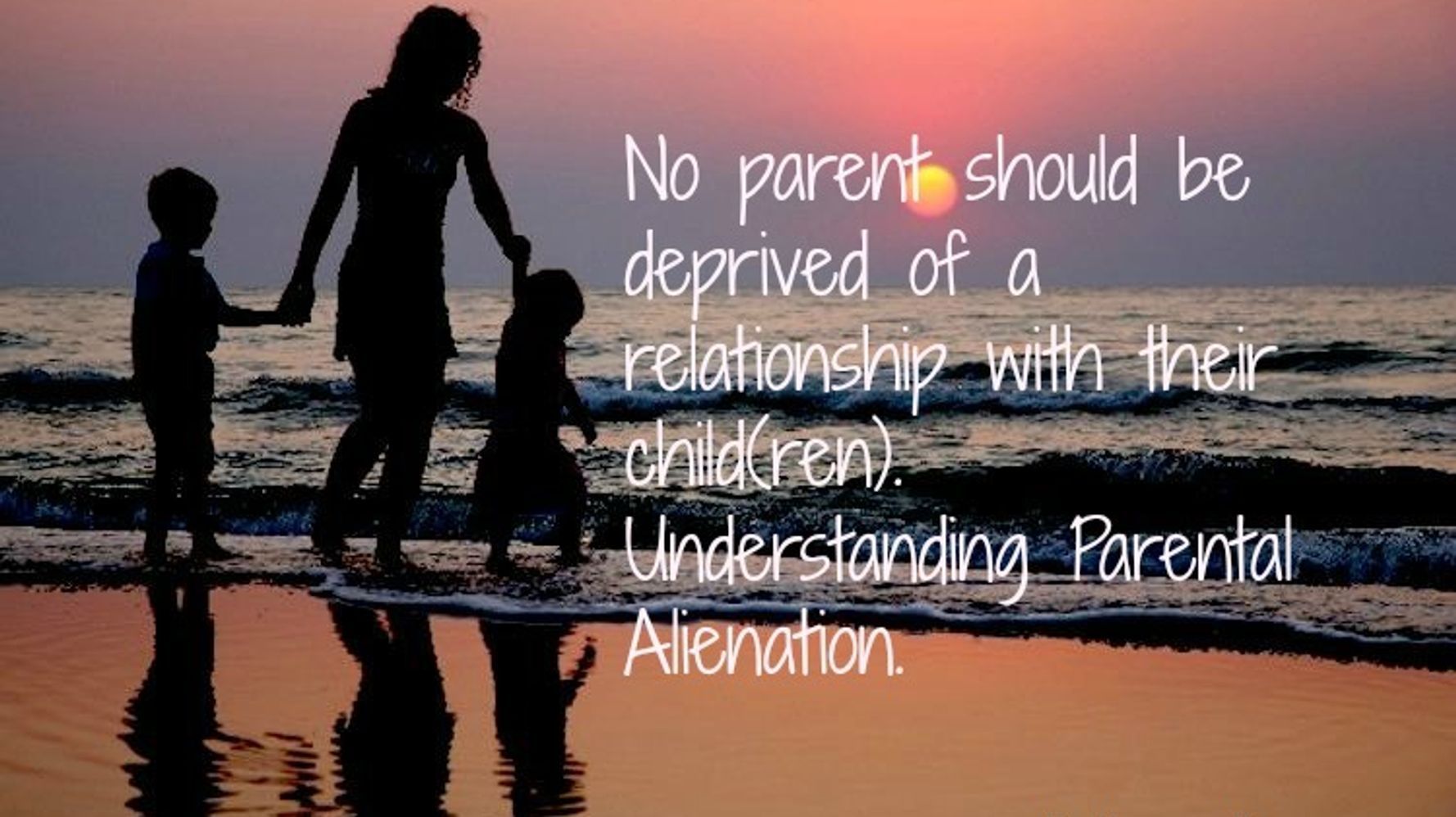
“Parental alienation describes the process in which a child becomes estranged from a parent.” This is the basic definition. It is actually a legal and psychological matter. It usually happens to children of divorce in which the non-custodial parent undermines the custodial parent where there is an intact (good) relationship. However, it can work either way. The parent the lives with could be trying to turn them against the other parent. The child is turned against their parent usually by manipulation. The child is usually told about issues that instill fear in them. The child the becomes a part of the parents’ conflict. Sadly, the victim may no longer want to spend time with the parent that they have been coerced to believe is not a good person and may want to stop contact. There are other indicators that the child is being manipulated. The child may present with anxiety, fear and upset regarding visits if the custodial parent is trying to alienate the child from the non-custodial parent. No matter which parent is the offender, the child will suffer. Legal action may need to take place in the best interest of the child. The child needs to be protected from their parents’ conflict.
If you are concerned that your former spouse is trying to alienate your child from you, there are steps you can take:
• Contact a CollaborativeFamily Lawyer, as soon as possible
• Keep talking with your child and don’t attack the other parent
• Find a Counsellor for your child
If you’re an adult, your parents may be alienating you but they may want contact with their grandchildren without your involvement. If your child is a minor, this may not be appropriate to you. You may need to seek out legal counsel especially if a former spouse and a custody agreement is involved. If possible, try to come up with a solution that is suitable for all parties involved. If you feel your parents could harm your children and they are trying to force you into an uncomfortable situation, legal counsel may be a necessary recourse.
What needs to be remembered in all Parental Alienation situations is that it can happen in any family unit and professionals such as lawyers and counsellors may need to be called upon. Some disputes need legal intervention. Don’t hesitate to contact a Family Law professional and most of all remember any action is in the best interest of the child.
All of life’s relationships need to be healthy! If you're looking for a collaborative approach to family law Grant Lee Law is happy to assist you.

When a relationship breaks down, the last thing most people expect is to find themselves preparing for Family Court. Yet disputes involving parenting, child support, spousal support, property, or financial disclosure can sometimes reach a point where negotiation is no longer enough. So, will a family lawyer actually represent you in court? The answer is yes. At Grant Lee Law, clients can receive representation throughout the Ontario family court process, including conferences, motions and trials. The firm also helps clients determine whether going to court is actually the best option for their particular situation. What Does Court Representation Actually Mean? Having a lawyer represent you means more than simply having someone sit beside you in a courtroom. A family lawyer can help prepare your case from the beginning, including reviewing your circumstances, explaining your legal options, preparing court documents, addressing financial disclosure, negotiating with the other side and developing a strategy for your matter. If your case proceeds before a judge, your lawyer can advocate for your position and present your legal arguments and evidence. Grant Lee Law represents clients in a variety of family court matters, including parenting disputes, child and spousal support, property division, motions and contested divorce proceedings. What If You Can't Afford Full Representation? One of the concerns many people have is the potential cost of family litigation. You may not necessarily need to retain a lawyer for every aspect of your case. Grant Lee Law offers limited-scope or "unbundled" legal services, where the lawyer handles specific portions of your matter while you remain responsible for others. For example, you may want help preparing court documents, reviewing correspondence from the other lawyer, preparing for a conference or understanding what to expect at a particular stage of the process. This approach can provide access to legal guidance while giving clients greater control over their legal expenses. Does Every Family Law Dispute Need to Go to Court? Not at all. In fact, going directly to court isn't always the most effective way to resolve a family dispute. Depending on the circumstances, negotiation, mediation or collaborative family law may provide a faster, less adversarial and potentially less expensive path forward. For families who can communicate and negotiate in good faith, mediation can be particularly useful. A family mediator Burlington couples can turn to acts as a neutral third party. Unlike a lawyer representing one spouse, a mediator does not take sides or make decisions. Instead, the mediator facilitates discussions and helps the parties work toward an agreement. When Does Going to Court Make Sense? There are situations where litigation becomes necessary. For example, court intervention may be appropriate when parents cannot agree about parenting arrangements, one party refuses to provide financial information, support is disputed, assets may be at risk, or urgent parenting or family safety concerns exist. A court application may also be necessary when an existing court order needs to be changed or enforced. This is one reason experienced Burlington family lawyers can be valuable. The goal isn't necessarily to create conflict. It is to understand when negotiation is appropriate, when stronger legal action is required and how to protect your interests throughout the process. What About Families in Oakville? Family law issues don't stop at Burlington's borders. People throughout Halton Region, including Oakville, face many of the same challenges involving separation, parenting, support and property. For this reason, individuals often look for experienced Oakville family lawyers who understand the Ontario family law process and can provide practical advice based on their circumstances. Whether your matter is likely to settle through negotiation or requires court intervention, having legal advice early can help you understand your options before making decisions that could affect your family and finances for years. Court Doesn't Always Mean a Trial One common misconception is that starting a family court proceeding automatically means appearing before a judge at a lengthy trial. That's generally not how family law matters unfold. There may be conferences, motions, negotiations and settlement discussions along the way. Many family law disputes resolve before reaching trial. Grant Lee Law emphasizes preparing clients properly from the beginning so they are positioned for resolution whether the matter settles or ultimately proceeds before a judge. The Right Strategy Depends on Your Situation Every separation is different. Some couples may benefit from mediation. Others may need aggressive legal representation because negotiations have broken down. The important thing is understanding the difference and choosing an approach based on your circumstances—not simply reacting emotionally to what has happened. Need a Lawyer to Represent You in Family Court? If you are facing a family law dispute in Burlington, Oakville or elsewhere in Halton Region, you don't have to navigate the process alone. Grant Lee Law provides family law representation as well as mediation, negotiation, collaborative family law and limited-scope legal services. The firm's approach is focused on finding a solution that considers your legal needs, family circumstances and budget. If you have received court documents, are considering starting a court application, or simply don't know what your next step should be, getting legal advice early can make a significant difference. Contact Grant Lee Law to discuss your situation and find out whether negotiation, mediation or courtroom representation is the right path for you.

Moving in together is an exciting milestone. Whether you're purchasing your first home, combining finances, or simply beginning a new chapter, it's also the ideal time to discuss how you'll protect one another if life doesn't go exactly as planned. Many couples assume a cohabitation agreement means they're preparing for the worst. In reality, it's about creating certainty, reducing future conflict, and ensuring both partners understand their rights and responsibilities from the very beginning. If you're wondering, "Can you help with a Cohabitation Agreement?" the answer is yes. The experienced Burlington family lawyers at Grant Lee Law regularly assist clients with preparing cohabitation agreements that are tailored to their individual circumstances and comply with Ontario family law. What Is a Cohabitation Agreement? According to Grant Lee Law, a cohabitation agreement is a domestic contract designed for individuals in a common-law relationship or those who are unmarried and planning to live together. It is similar to a marriage contract but is specifically intended for couples who are not married. The agreement allows both parties to determine the rights they will have if their relationship comes to an end. It can address issues involving property and support obligations while helping both individuals establish clear expectations before problems ever arise. Grant Lee Law also notes that a cohabitation agreement cannot determine parenting time or decision-making responsibilities regarding children, as those matters are governed separately under Ontario law. Why Is a Cohabitation Agreement Important? No one enters a relationship expecting it to end, but planning ahead is often one of the healthiest decisions couples can make. Without a written agreement, disagreements regarding finances, property, and support can become stressful, time-consuming, and expensive. A properly prepared cohabitation agreement offers several benefits, including: Financial Clarity Each partner understands their rights and responsibilities from the beginning, reducing uncertainty later. Protection of Property The agreement allows couples to determine how property matters and support obligations will be handled if the relationship ends. Greater Peace of Mind Rather than relying on assumptions, both individuals have a legally prepared document that reflects their intentions and expectations. Grant Lee Law explains that common-law couples do not have the same statutory protections available to married spouses. Having a cohabitation agreement allows couples to protect themselves and decide their rights instead of leaving important matters unresolved. ( Grant Lee Law ) Why Work with Experienced Burlington Family Lawyers? Although online templates may seem convenient, every relationship is unique. Experienced Burlington family lawyers take the time to understand your financial circumstances, property arrangements, and future goals before drafting an agreement that reflects your specific needs. Grant Lee Law also emphasizes the importance of full financial disclosure when preparing domestic contracts. If significant assets or liabilities are not disclosed, or if an agreement is found to be unconscionable, portions of the contract could potentially be challenged. Independent legal advice for each party is also strongly recommended to ensure everyone understands the agreement before signing. ( Grant Lee Law ) Collaborative Family Law Can Make the Process Easier Creating a cohabitation agreement doesn't need to be adversarial. Grant Lee Law is formally trained in Collaborative Family Law, an approach that focuses on respectful communication, openness, and mutually acceptable solutions. Instead of preparing for conflict, couples work together with legal guidance to create agreements that reflect both partners' interests. Collaborative Family Law is also suitable for: Cohabitation Agreements Marriage Contracts Separation Agreements Parenting Agreements This approach allows couples to work toward practical solutions while avoiding unnecessary conflict whenever possible. ( Grant Lee Law ) Serving Burlington, Oakville, and Surrounding Communities Whether you're purchasing your first home together or simply planning for the future, obtaining legal advice early can make a significant difference. Many clients throughout Halton Region seek guidance from experienced Oakville family lawyers and Burlington family lawyers before making major life decisions. Having a professionally prepared agreement provides confidence that both partners understand their legal rights and obligations from the beginning. If discussions become more complex, working with a family mediator Burlington families trust may also be an effective way to facilitate productive conversations while keeping everyone's goals in focus. Grant Lee Law offers mediation and collaborative family law services alongside traditional legal representation, allowing clients to choose the process that best suits their circumstances and budget. ( Grant Lee Law ) Start Your Future Together with Confidence A cohabitation agreement isn't about planning for failure—it's about planning wisely. By clearly outlining expectations before issues arise, couples can strengthen communication, protect their financial interests, and reduce uncertainty if circumstances change in the future. If you're considering moving in together and want professional guidance, the team at Grant Lee Law can help you understand your options and prepare a cohabitation agreement that reflects your unique situation. Whether you're looking for experienced Burlington family lawyers , trusted Oakville family lawyers , or support through a family mediator Burlington , Grant Lee Law is committed to helping clients find practical, cost-effective family law solutions. Contact Grant Lee Law today to schedule a consultation and take the first step toward protecting your future together with confidence.

Relationships sometimes come to an end, but that doesn’t mean every separation has to become a lengthy legal dispute. Many couples are able to move forward with a professionally prepared separation agreement that clearly outlines their rights and responsibilities while helping them avoid unnecessary conflict. If you're asking, "Do you do separation agreements?" the answer is yes. Experienced Burlington family lawyers regularly assist individuals and couples with drafting, reviewing, and negotiating separation agreements that are tailored to their unique circumstances. Whether you're separating after a marriage or a common-law relationship, having the right legal guidance can make all the difference. What Is a Separation Agreement? A separation agreement is a legally binding contract between two people who have decided to live apart. Rather than leaving important decisions unresolved, it creates a written roadmap for how key issues will be handled after separation. A comprehensive separation agreement may address: Parenting responsibilities and decision-making Parenting schedules and access Child support Spousal support Division of property and assets Debt responsibilities Future financial obligations Every family's situation is different, which is why a customized agreement is essential rather than relying on generic online templates. Why Is a Separation Agreement So Important? Many people mistakenly believe that verbal agreements are enough. Unfortunately, misunderstandings can arise months or even years later. A professionally drafted agreement helps provide: Clarity Both parties understand their rights and obligations from the beginning. Protection A properly prepared agreement reduces the likelihood of future disputes and helps ensure the document complies with Ontario family law requirements. Financial Savings Resolving issues through negotiation and agreement is often significantly less expensive than prolonged court proceedings. Peace of Mind Knowing that important decisions have been documented allows both individuals to focus on moving forward with confidence. Can We Reach an Agreement Without Going to Court? Absolutely. In many situations, couples successfully resolve their issues through negotiation, collaborative family law, or mediation before ever stepping inside a courtroom. In fact, mediation has become an increasingly popular option for families who wish to maintain a respectful relationship while resolving complex legal matters. Grant Lee Law offers support with mediation, collaborative family law, negotiation, and litigation when necessary, helping clients choose the approach best suited to their circumstances and budget. Working with a family mediator Burlington families trust can often help both parties communicate more effectively and reach practical solutions that work for everyone involved. Once mediation is complete, experienced legal counsel can prepare or review the separation agreement to ensure it accurately reflects the negotiated terms and protects your legal rights. What If We Already Wrote Our Own Agreement? Many couples begin by creating their own agreement. While that may seem like a cost-effective solution, homemade agreements can overlook important legal requirements or fail to address future issues. Before signing anything, it's wise to have a family lawyer review the document. Independent legal advice can help ensure: Your rights are protected The agreement is enforceable Financial disclosure has been completed properly You understand the long-term consequences of every clause Having professional legal advice today may prevent costly disputes later. Local Experience Matters Family law is not just about understanding legislation—it also involves understanding the practical realities of resolving disputes within your local court system and community. Families throughout Halton Region often look for experienced Burlington family lawyers and Oakville family lawyers because local knowledge can make navigating the legal process smoother and more efficient. Whether your matter involves parenting arrangements, financial support, mediation, or drafting a separation agreement, working with professionals familiar with local procedures provides valuable peace of mind. Every Family Is Different No two separations are identical. Some couples have children. Others need assistance dividing businesses, pensions, or investment properties. Some require immediate temporary arrangements while others simply want to document an amicable agreement. An experienced family law lawyer will take the time to understand your circumstances and help you choose the most practical path forward. Rather than applying a one-size-fits-all approach, the focus should always be on finding solutions that fit your family's needs, goals, and financial situation. Grant Lee Law emphasizes cost-effective family law solutions while helping clients understand negotiation, mediation, collaborative law, and litigation options where appropriate. Take the First Step Toward a Fresh Start Separation is never easy, but the legal process doesn't have to add unnecessary stress. A carefully prepared separation agreement provides certainty, protects your interests, and helps establish a clear foundation for the next chapter of your life. If you're considering separation or need advice about an existing agreement, speaking with experienced Burlington family lawyers can help you understand your options. Whether you need legal advice, document preparation, or support from a family mediator Burlington professional, obtaining guidance early can make the entire process smoother. If you live in Burlington, Oakville, or the surrounding Halton Region, don't wait until small disagreements become larger legal disputes. Contact Grant Lee Law today to schedule a consultation and take the first step toward resolving your family law matter with confidence.